


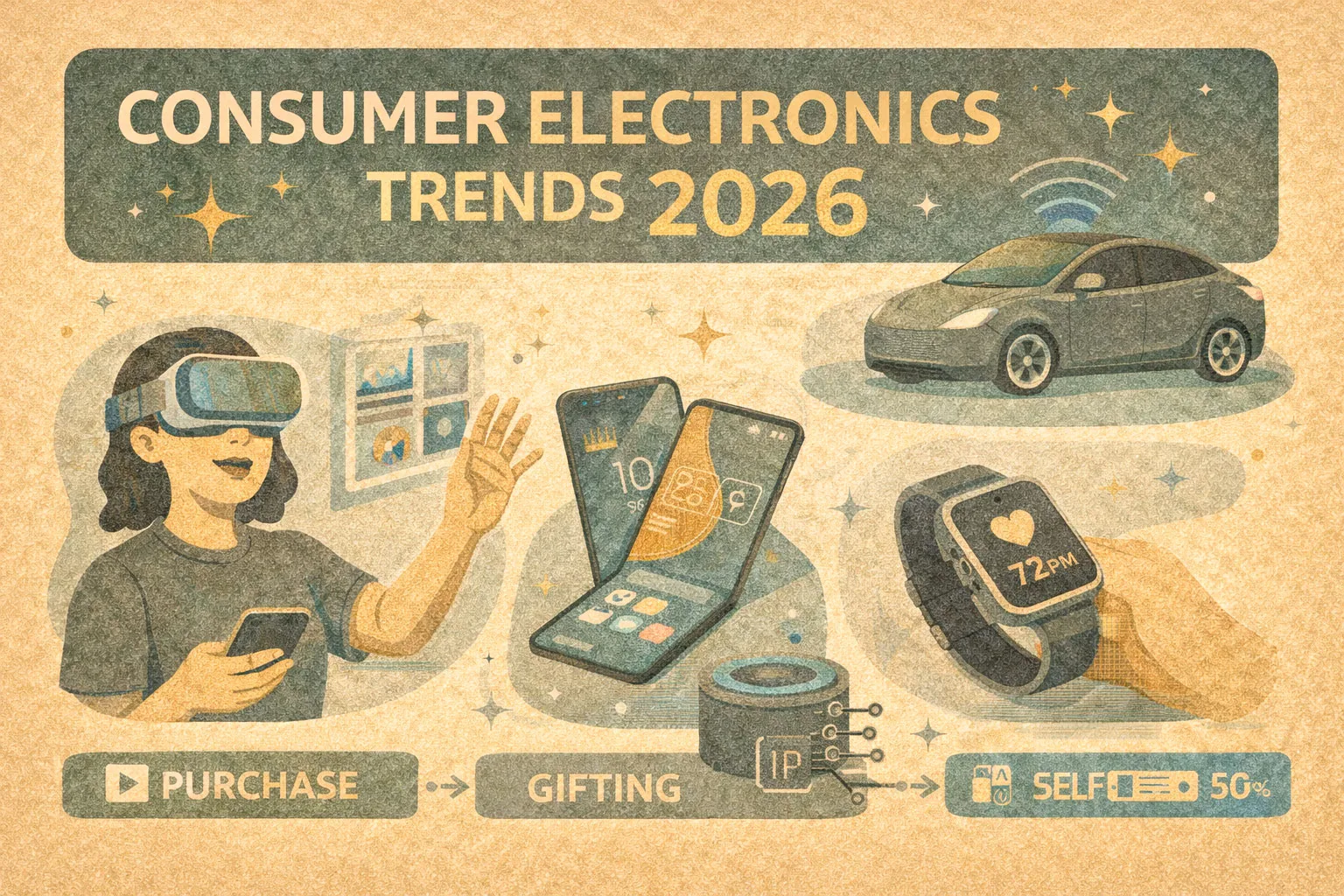
As we approach the end of 2025, consumer electronics trends for 2026 are no longer abstract forecasts. November and December sales cycles, especially peak shopping periods, already reveal which consumer electronics categories are gaining real traction and which ideas are quietly fading. These late-year patterns tend to be surprisingly stable. What performs well during major seasonal promotions often defines what will remain relevant for at least the next twelve months across the consumer electronics industry.
Amazon plays a unique role in this process. As a demand-driven platform operating at massive scale, it reflects consumer technology trends almost in real time. At the same time, it actively shapes them. Strong sales signals, review dynamics, and recommendation systems influence how manufacturers design, position, and iterate on their products, turning Amazon into a living map of what is trending in electronics.
In this article, we examine several trend-defining consumer electronics examples from Amazon. The goal is not to chase hype, but to understand what these products tell us about broader consumer electronics industry trends and why they matter for shoppers, brands, and product teams looking ahead to 2026.
The State of the Consumer Electronics Industry in 2026
By 2026, the consumer electronics market has entered a phase of quiet recalibration rather than explosive novelty. Growth is still present, but it is increasingly driven by refinement, integration, and everyday usefulness instead of headline-grabbing breakthroughs. Consumers are buying fewer “experimental” devices and more products that clearly fit into existing routines, solve specific problems, and justify their place in the home over time. This shift is visible across Amazon categories, where sustained demand now matters more than launch hype.
Along with this change, the consumer electronics industry message has evolved. Marketing language has moved away from raw technical superiority and toward outcomes users can immediately understand. Instead of emphasizing processors, sensors, or abstract performance gains, brands increasingly talk about comfort, reliability, longevity, and how a product reduces friction in daily life. The strongest performers communicate value in human terms: saved time, reduced effort, better focus, or improved wellbeing.
This evolution also marks a broader transition from standalone hardware to connected ecosystems. Today’s consumer electronics rarely exist in isolation. They are supported by apps, firmware updates, subscriptions, cloud services, and customer support layers that shape the long-term experience as much as the physical device itself. Success in 2026 depends less on what a product can do on day one and more on how well it fits into a wider service environment that continues to deliver value after purchase.
As a result, what is considered trending in electronics today looks very different from five years ago. Back then, novelty and feature density were enough to capture attention. In 2026, trends are defined by adoption curves, retention, and real-world satisfaction. Products trend not because they are new, but because they become quietly indispensable. Understanding this shift is essential for interpreting consumer electronics trends through a meaningful, user-centred lens.
Key Consumer Technology Trends Driving Amazon’s Electronics Category
Not every trend in consumer technology deserves equal attention. In this analysis, we focus on patterns that show consistent momentum rather than short-lived spikes. These consumer electronics trends stand out because they are supported by repeat purchases, sustained visibility across Amazon categories, and clear signals in user behaviour. In other words, they are trends shaped by real adoption, not by speculative marketing narratives.
Amazon accelerates the adoption of these trends in several ways. Its recommendation algorithms amplify products that demonstrate strong engagement, low return rates, and positive post-purchase feedback. Bestseller lists, “frequently bought together” bundles, and sponsored placements further reinforce specific usage patterns, effectively teaching consumers what to expect from modern electronics. Over time, this feedback loop influences manufacturers as well, pushing them to refine features, pricing, and messaging in line with what actually converts.
Our selection method reflects this dynamic. We examined how users interact with product listings, paying close attention to browsing paths, comparison behaviour, and common decision triggers. Product detail pages were analysed for recurring value propositions, while reviews and Q&A sections were used to identify unmet expectations and moments of delight. Together, these signals help explain not just what is trending in electronics on Amazon, but why these consumer technology trends are likely to remain relevant into 2026 and beyond.
Trend 1 — Smart Devices That Disappear Into Daily Life
One of the most visible consumer electronics trends heading into 2026 is a clear shift away from “smart features” as a selling point and toward quiet, almost invisible usefulness. Users are no longer impressed by the sheer number of functions. What they value instead is how seamlessly a device blends into daily routines without demanding constant attention, configuration, or decision-making.
From a UX perspective, this trend is largely about reducing cognitive load. The best-performing smart devices on Amazon are those that work predictably in the background, surface information only when it matters, and avoid turning everyday actions into micro-decisions. Notifications feel intentional rather than noisy. Controls feel familiar rather than novel. Intelligence becomes something you benefit from, not something you manage.
A good example of this trend is the Cillso Smart Watch with Alexa Built-in. On paper, it offers a long list of features: Bluetooth calling, voice control, health tracking, 120+ sports modes, and cross-platform compatibility. What makes it interesting from a consumer technology trends perspective is not the feature count itself, but how these capabilities are framed and used. Alexa integration enables hands-free interactions that remove friction rather than add it. Health metrics are presented as ongoing background signals instead of constant alerts. Battery life is long enough that charging anxiety largely disappears from the experience.
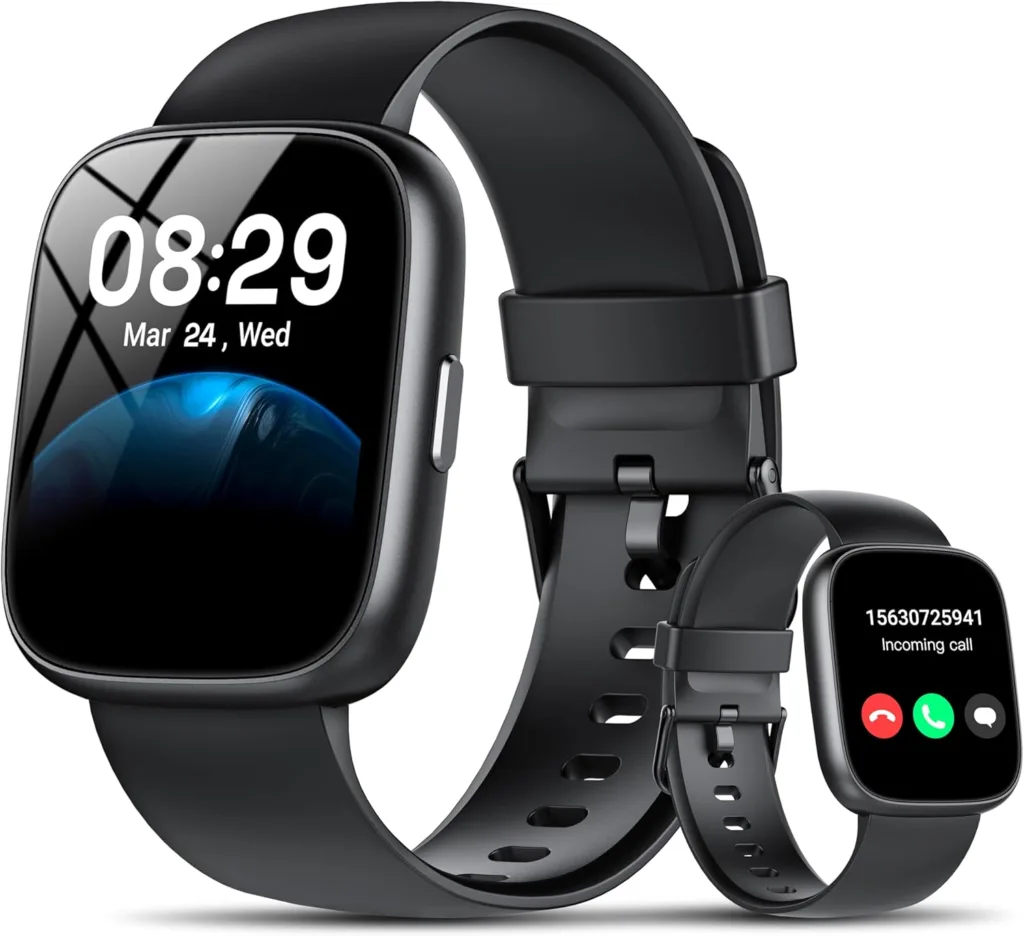
Cillso Smart Watch with Alexa Built-in
The product’s traction on Amazon, with thousands of recent purchases and consistently high ratings, suggests that users respond to this kind of design philosophy. They are not buying a smartwatch to explore menus or experiment with settings. They are buying a device that quietly supports communication, awareness, and light self-tracking without demanding behavioural change.
This example reflects a broader shift within consumer electronics industry trends. Devices that succeed in 2026 are not those that showcase intelligence, but those that hide it well. Being “smart” now means being predictable, low-effort, and context-aware. As this pattern repeats across categories, it reshapes what trending in electronics truly means: not novelty on the surface, but calm efficiency underneath.
Trend 2 — Health, Wellness, and Everyday Bio-Feedback
Health-oriented consumer electronics have moved firmly into the mainstream, but their success in 2026 is no longer driven by novelty or medical-sounding precision. What users are really buying into is a sense of continuity and trust. Devices that frame health data as supportive guidance rather than judgment are gaining far more traction than those that simply promise more sensors or deeper metrics.
This shift reflects a broader change in consumer technology trends. People are increasingly aware that raw biometric data, taken out of context, can be confusing or even stressful. As a result, the value of health-focused electronics now lies less in measurement itself and more in how that information is communicated, stored, and integrated into everyday habits. Trust is built not by claiming clinical accuracy, but by being consistent, transparent, and emotionally neutral.
A strong example of this trend is the Etekcity Smart Scale, currently a category bestseller on Amazon. On the surface, it offers extensive body composition analysis, including weight, BMI, body fat, muscle mass, and heart rate. What stands out from a UX perspective is how these metrics are presented and framed. The scale works as a passive checkpoint rather than an active coach. Data syncs automatically via Wi-Fi, trends are visualised over time in the app, and users can check progress without turning each measurement into a moment of evaluation.
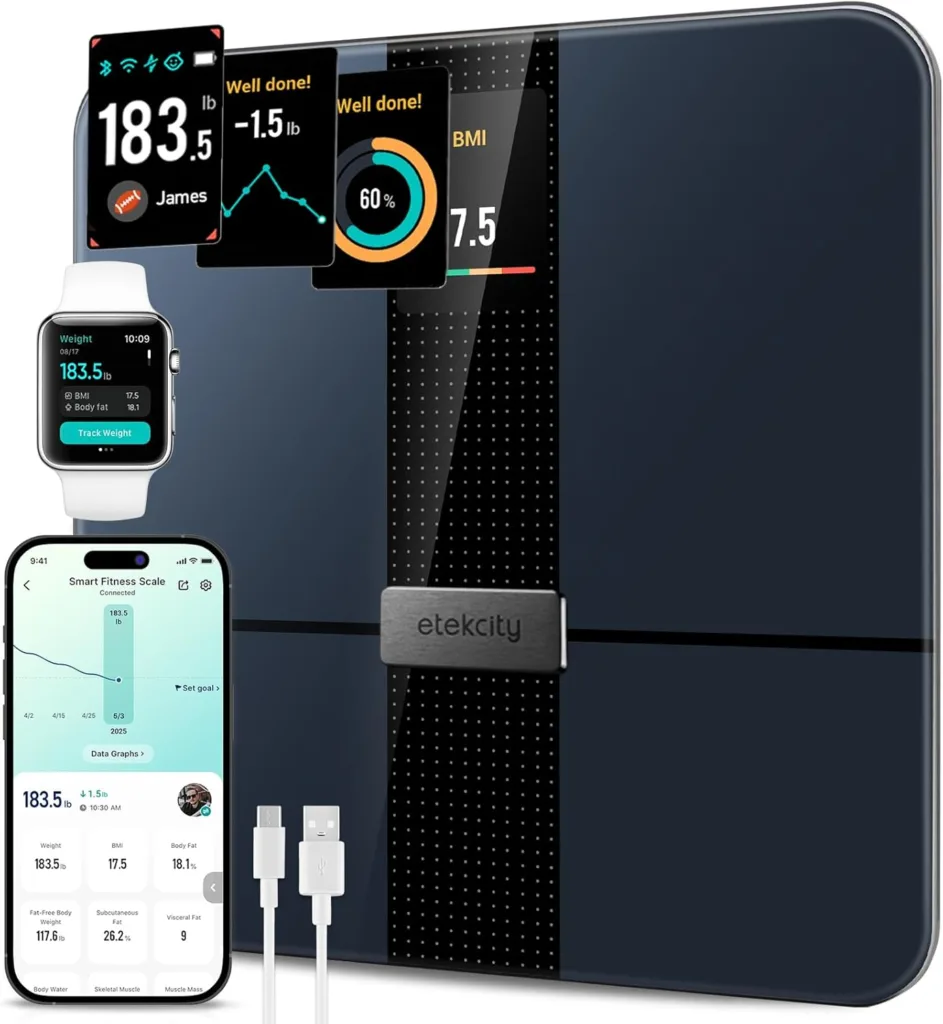
Etekcity Smart Scale
However, this trend also comes with clear UX risks. When consumer electronics deliver detailed bio-feedback on a daily basis, there is a fine line between awareness and anxiety. Without careful framing, users may overinterpret normal fluctuations or draw conclusions the data cannot reliably support. The most successful health devices in this space avoid this by emphasising long-term patterns rather than daily variation and by keeping language neutral and non-alarmist.
In the context of consumer electronics industry trends, products like this signal an important direction. Health technology in 2026 is less about control and optimisation, and more about reassurance and gentle insight. The winners are not the devices that tell users more, but those that help them worry less while still staying informed.
Trend 3 — Compact, Modular, and Space-Conscious Electronics
Urban living continues to redefine what practical consumer electronics look like. Smaller apartments, hybrid work routines, and shared spaces have pushed flexibility to the forefront of buying decisions. In 2026, many of the strongest consumer technology trends are driven not by performance ceilings, but by spatial constraints. Devices must fit into daily life physically, not just functionally.
This is where “smaller” has quietly become “better.” Buyers are no longer looking to recreate full-scale setups at home. Instead, they favour compact, modular electronics that can be stored, moved, or repurposed without friction. The appeal lies in optionality: a device that can be used when needed and disappear when it is not. On Amazon, this preference shows up clearly in rising demand for foldable, under-desk, and multi-use formats across multiple electronics categories.
The Sperax Walking Treadmill Pad illustrates this shift well. Rather than positioning itself as a traditional fitness machine, it presents as a flexible movement tool for home and office environments. Its low profile allows it to slide under a desk, bed, or sofa. Noise levels are kept low enough for shared spaces and work calls. The addition of app-based tracking and a simple remote control reinforces ease of use rather than technical complexity. Even the optional vibration mode reflects a desire for multifunctionality without additional equipment.
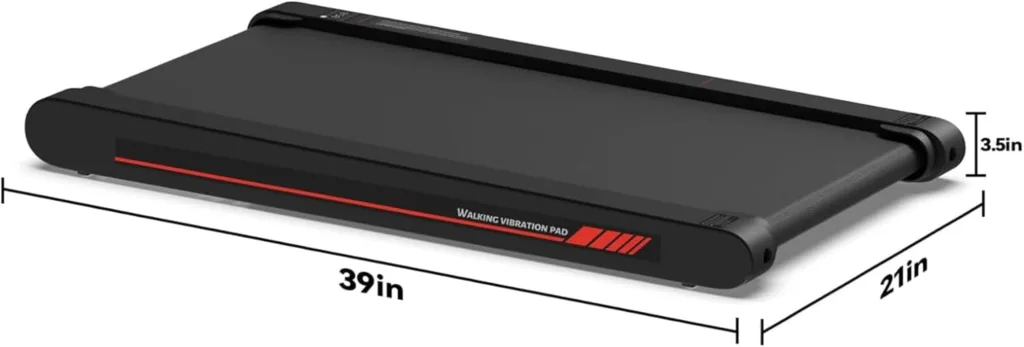
Sperax Walking Pad
In the context of consumer electronics trends, this pattern highlights an important insight. Space efficiency is no longer a secondary feature; it is a core value proposition. Devices that respect physical constraints, reduce visual clutter, and adapt to fluid schedules are better positioned for long-term adoption. As consumer technology trends continue to evolve, products that combine portability, simplicity, and genuine everyday usefulness will increasingly define what success looks like in the electronics category.

Sperax Walking Pad: Space efficiency is a core value proposition
Trend 4 — AI Inside Consumer Electronics (Without the Buzzwords)
By 2026, artificial intelligence has become deeply embedded in consumer electronics, but its role has fundamentally changed. The most successful products are no longer those that advertise AI loudly, but those that use it quietly and purposefully. On Amazon, this distinction is increasingly visible: devices that treat AI as infrastructure outperform those that position it as a headline feature.
In practice, AI works best when it reduces effort rather than introduces new interaction patterns. Voice recognition that actually understands intent, recommendations that align with context, and automation that feels predictable all represent real value. By contrast, vague promises of “AI-powered” experiences without clear outcomes are quickly filtered out by users through reviews, returns, and low long-term engagement. Shoppers have learned to evaluate results, not terminology.
The Amazon Echo Show 15 exemplifies this shift. While powered by Alexa and a range of AI-driven systems, the device is framed first as a home organisation hub. The large display prioritises calendars, to-do lists, smart home controls, and shared household information. AI is present in the background, enabling natural voice interactions, content recommendations, and adaptive widgets, but it is rarely the focus of the experience. Users interact with outcomes: information at a glance, seamless media playback, and hands-free control.
From a UX standpoint, this approach lowers the barrier to adoption. The Echo Show 15 does not ask users to “learn AI.” It fits into familiar mental models such as a notice board, a television, or a photo frame. Features like auto-framing video calls and proactive suggestions work precisely because they remain optional and unobtrusive. The value emerges through everyday use, not through exploration of settings or advanced modes.
The broader consumer electronics trends here are clear. AI has matured from a differentiator into an expectation, and expectations are unforgiving. For brands and platforms, the implication is direct: intelligence should be measurable in reduced friction, not increased complexity. The best consumer technology trends in this space favour clarity, restraint, and trust. When AI fades into the background and life simply feels easier, users perceive it as working.
Trend 5 — Trust, Transparency, and the Post-Hype Electronics Era
One of the most defining consumer electronics trends as we move into 2026 is a clear fatigue with exaggerated promises. Users have learned, often the hard way, that long feature lists and polished marketing language do not guarantee a good experience. As a result, trust has become a primary driver of purchase decisions, especially in practical, problem-solving electronics.
On Amazon, this shift is reinforced by the visibility of social proof. Reviews, Q&A sections, and detailed usage feedback now carry more weight than official product descriptions. Shoppers actively look for edge cases, limitations, and honest downsides before committing. Brands that acknowledge constraints openly tend to build more credibility than those that position their products as universally perfect. Transparency, in this context, is not a risk. It is a conversion factor.
The Airmoto Portable Tire Inflator is a strong example of this post-hype dynamic. Its success is not built on futuristic claims or abstract innovation. Instead, it communicates a narrow, well-defined use case: quick, portable tire inflation for everyday vehicles and small equipment. Crucially, its listing and user discussions clearly state what it is not designed for, such as large-volume inflatables or heavy-duty tires. This clarity reduces expectation gaps and helps users self-select appropriately.
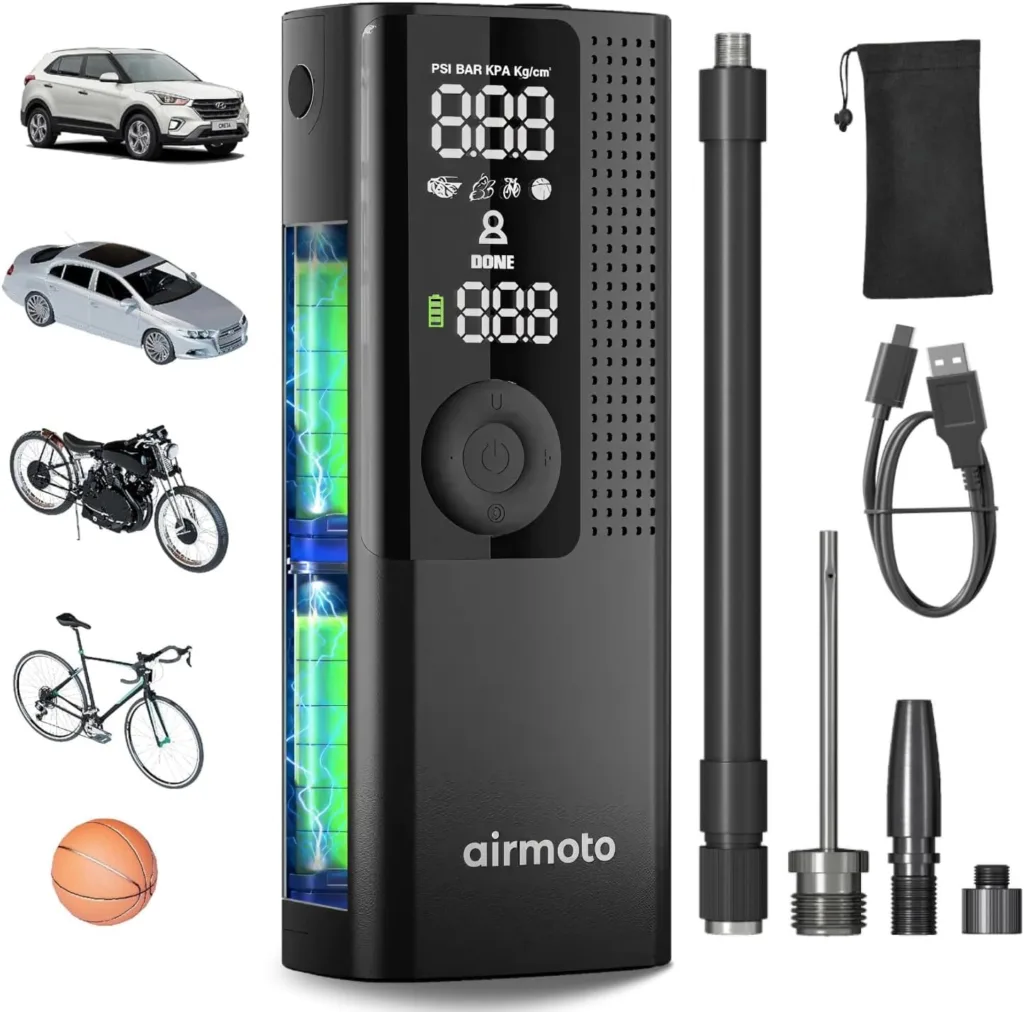
Airmoto Portable Tire Inflator
From a UX perspective, the device reinforces trust through predictability. Features like auto shut-off, a clear digital gauge, and straightforward controls reduce the likelihood of user error. At the same time, notes about battery performance under different conditions set realistic boundaries. These moments of honesty, often surfaced through reviews and Q&A, play a major role in the product’s high adoption rate.
This trend is reshaping the electronics industry message as a whole. In 2026, credibility is built less through aspirational language and more through operational truth. Products win not by claiming to do everything, but by doing a few things reliably and explaining their limits clearly. As consumer electronics trends continue to mature, trust and transparency are no longer soft values. They are core product features.
What These Consumer Electronics Trends Mean for Shoppers
As consumer electronics trends evolve, shoppers are expected to make more informed decisions, not simply react to features or discounts. Amazon provides an enormous amount of information, but understanding how to read it critically has become an essential skill in 2026. Below are practical guidelines that can help buyers navigate electronics listings with more confidence.
How to read product pages more consciously
- Look beyond feature counts and focus on how often those features are mentioned in reviews as actually used. Repeated references to everyday usage are stronger signals than technical specifications.
- Pay close attention to the problem the product claims to solve. If that problem is not clearly described in plain language, the value proposition is likely weak.
- Use reviews to identify expectation alignment. High ratings combined with specific, situational feedback are more reliable than generic praise.
- Read the Q&A section to uncover limitations that may not appear in the main description. This is often where real usage constraints surface.
- Check battery life, size, noise level, and compatibility details early. These factors consistently influence satisfaction more than advanced functionality.
What to prioritise in 2026
In line with current consumer technology trends, shoppers should prioritise products that reduce effort rather than add complexity. Seamless setup, low maintenance, and predictable behaviour matter more than novelty. Devices that integrate well with existing ecosystems, whether health platforms, smart homes, or mobile apps, tend to deliver longer-term value. Equally important is how clearly a brand communicates what a product can and cannot do.
Common UX traps on Amazon
Several UX patterns continue to mislead buyers. Overloaded comparison charts can create a false sense of superiority without clarifying real differences. “AI-powered” labels often lack concrete explanation of benefits. Limited-time deals may push rushed decisions even when the product has unresolved usability issues. Finally, excessive reliance on promotional images without clear usage context can hide size, noise, or setup complexity.
What Brands Can Learn From Amazon’s Consumer Electronics Trends
Amazon’s electronics category offers a clear view into which UX decisions scale and which ones quietly fail under real-world use. The patterns visible across successful products are not accidental. They reflect consistent alignment between user expectations, product behaviour, and honest communication.
UX decisions that scale
The most scalable UX solutions focus on effort reduction rather than engagement maximisation. Products that win in 2026 minimise setup steps, rely on familiar interaction patterns, and work reliably without constant attention. Clear defaults, passive data collection, and background intelligence consistently outperform interfaces that require frequent user input. Another scalable pattern is ecosystem compatibility. Devices that integrate smoothly with existing platforms and services are easier to adopt and harder to abandon.
Where brands lose trust
Trust erosion often starts with mismatched expectations. Overpromising capabilities, vague “smart” or “AI-powered” claims, and unclear limitations create friction after purchase. Poorly explained edge cases, such as battery constraints or environmental limitations, frequently surface in reviews and damage long-term perception. Brands also lose credibility when support, updates, or app experiences lag behind the hardware, reinforcing the sense that the product was designed for sale rather than sustained use.
Practical takeaways for consumers
For consumers, these trends highlight the value of choosing products that emphasise clarity and reliability over ambition. Devices that explain their purpose narrowly and deliver on it consistently are more likely to remain useful over time. Paying attention to how brands communicate constraints, not just benefits, is a strong predictor of satisfaction. As consumer electronics trends continue to mature, the gap between what is promised and what is experienced has become the defining measure of quality.


