At FinUXlab, we specialize in analyzing loyalty programs and digital experiences through customer feedback. One of the most effective ways to collect insight is by sending a survey invitation email. But for that email to work, it must be thoughtfully planned, clearly written, and strategically designed.
Whether you are inviting recipients to complete a simple questionnaire or launching a customer feedback campaign, this guide covers everything you need to create an effective survey invitation.
Why You Should Send Email Surveys
Email remains the most scalable and effective way to reach your audience. A well-timed survey invitation allows you to gather real-world responses from customers, participants, or partners without costly logistics. It also supports many types of research goals, including customer satisfaction surveys, onboarding feedback, post-event evaluations, and more.
With survey invitation emails, you can personalize your outreach, track open and click rates, embed reminders, and maximize completion – all while controlling the message.
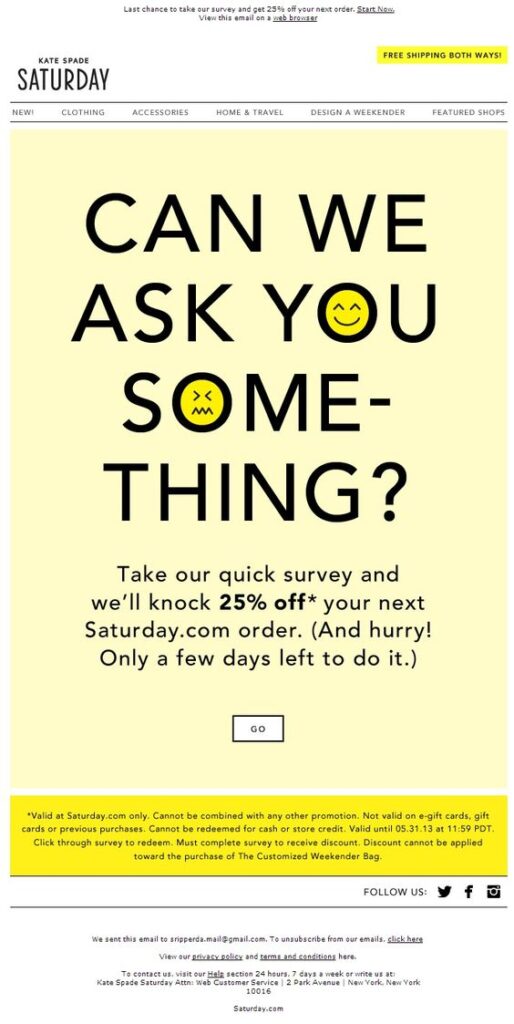
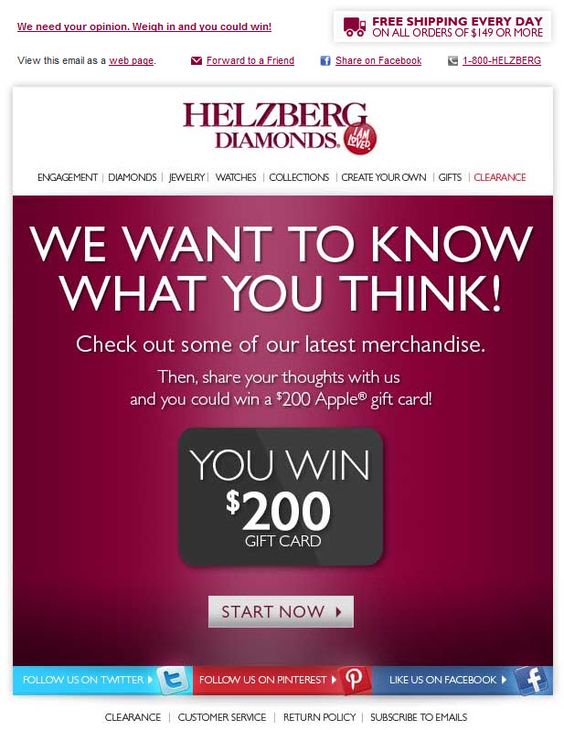
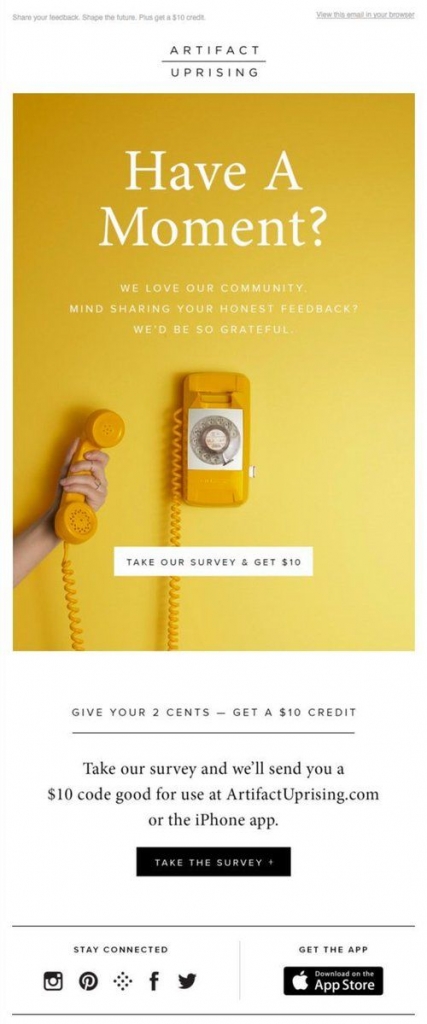
Key Elements of a Good Survey Invitation Email
A good invitation is not just a message—it’s a well-crafted communication that encourages recipients to participate in the survey. It must be concise, credible, and aligned with best practices in email marketing strategy.
Here are the core elements every effective survey email should include:
- A relevant and trustworthy subject line
- A polite and informative cover letter
- A clear explanation of the survey’s purpose
- A realistic estimate of time required
- A secure and visible survey link
- A direct and motivating call to action
- Optional incentive or appreciation token
- Contact information for any questions
Writing the Subject Line: First Impressions Matter
The subject line is the gatekeeper of your invitation. If it’s unclear or looks like spam, your message will likely be ignored.
Best practices include:
- Mentioning your company name to build trust
- Using clear language that references the survey
- Avoiding misleading phrases or excessive punctuation
- Keeping it under 50 characters when possible
Examples of survey email subject lines:
- We invite you to participate in our survey
- Tell us what you think about your recent experience
- Your feedback helps us improve our loyalty program
Crafting the Cover Letter
The body of your email acts as a digital cover letter to your survey. It should explain:
- Why the recipient was chosen
- What kind of feedback you’re looking for
- How the responses will be used
- How long the survey will take
- That the survey responses will be kept confidential
Recipients are more likely to respond when they feel their input will lead to something meaningful. Always inform them about how their feedback contributes to improvement.
Example:
As part of our ongoing research on loyalty programs, we’re collecting customer feedback on how digital reward systems impact shopping habits. Your responses will help us identify effective ways to improve these experiences.
Structuring the Email for Maximum Impact
The layout of your email should guide the reader’s eye from context to action. Keep paragraphs short. Use whitespace and headings if you’re working in HTML. For plain text, limit the content to essential information and place the survey link clearly after the call to action.
Avoid using too many links or marketing content. This is not a promotional email—it’s a request for honest feedback.
Recommended order:
- Subject line
- Greeting
- Purpose and relevance
- Survey link with CTA
- Duration and data confidentiality
- Thank you and contact information
The Call to Action: Make It Specific
Your CTA should be more than “click here.” Use language that reinforces value and purpose.
Effective examples:
- Take the 3-minute survey
- Share your thoughts now
- Complete the questionnaire
- Help us improve with your feedback
The survey link should be easily clickable on both desktop and smartphone. Consider shortening the URL and embedding it as a button in HTML or using a descriptive link in plain text.
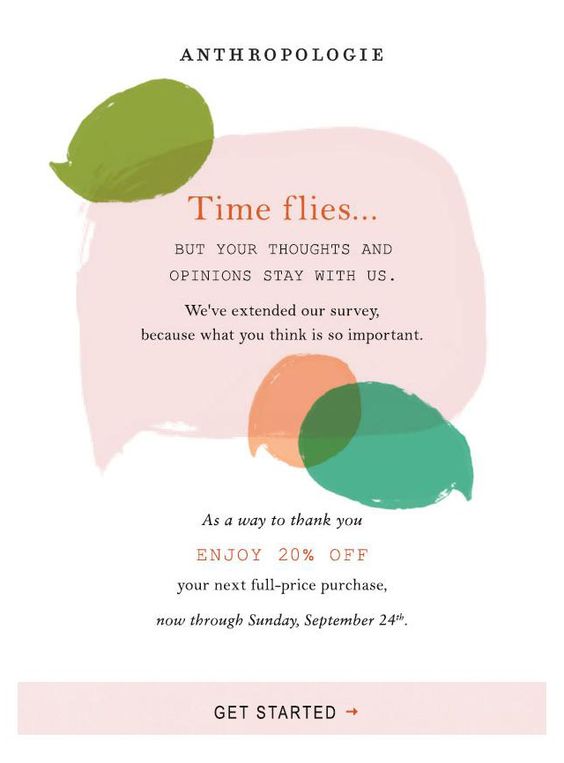
Timing and Follow-Up
Timing can affect participation. Surveys sent on Tuesdays or Wednesdays tend to perform better. Avoid weekends or late nights unless your audience data supports it.
If your first message is unopened or ignored, consider sending a reminder email two to three days later. Keep the tone friendly, and let the recipient know you’re still interested in hearing from them.
Reminder example:
Just a quick reminder—there’s still time to share your feedback. We’d love to hear your thoughts. The survey will close this Friday.
Incentives: Should You Offer One?
Depending on your audience and goals, offering a small incentive can increase response rates. This could be:
- Entry into a gift card drawing
- Loyalty points
- Access to early product features
- Charitable donation in the respondent’s name
Be clear about the terms. If there’s a deadline or condition to qualify, include that in the email cover letter.
Data Security and Consent
Be transparent about how the data will be used. Even if formal informed consent isn’t required, it’s good practice to state:
- That responses are anonymous or confidential
- That participation is voluntary
- That recipients can contact you with questions
This builds trust and ensures the legitimacy of your survey email.
Examples of Survey Types
Survey emails can be used in a variety of contexts. Here are just a few examples of survey purposes and when to use them:
- Research survey invitation: for academic or industry studies
- Customer satisfaction survey: after purchase or service use
- Post-event survey email: after webinars, conferences, or product demos
- Onboarding feedback email: after users register or activate accounts
- Participation survey invitation: for panels, beta tests, or user studies
Each use case may require a slightly different tone, but the core principles remain the same.
Survey Invitation Email: Structure and Template Resources
To help you craft a professional and effective survey invitation email, we’ve compiled a comparison table. It outlines best practices based on your survey goal, must-have elements, and reliable sources where you can find ready-to-use email templates. This makes it easier to adapt your communication for any context—from customer feedback to academic research.
| Survey Goal | Key Considerations | Essential Email Elements | Template Resources | Free / Paid |
|---|---|---|---|---|
| Customer Satisfaction Survey | Quick response, mobile access, clear incentive | Company name, personalized greeting, 3–5 min estimate, simple CTA, optional token of thanks | Mailmodo Templates | Free |
| Product Feedback Survey | Inform about product relevance, timing after usage | Subject line with product name, cover letter with feedback goal, CTA to questionnaire | Mailchimp Survey Email Examples | Free |
| Post-Event Survey | Send within 24–48h, short and visually clean | Thank you note, survey link, mention of event, CTA: Help us improve future events | Stripo.email | Mostly Free |
| Onboarding Feedback | Trust-building, data confidentiality, short form | Mention of sign-up experience, estimated time, opt-out info | Really Good Emails | Free |
| Beta Testing / Feature Validation | Detailed intro, relevance of participation, timeline for feature rollout | Cover letter explaining test scope, feedback deadline, embedded form link | Litmus Templates | Free |
| Academic or Research Survey | Informed consent, anonymity, research institution legitimacy | Consent summary in cover letter, formal tone, duration, contact info | SurveyMonkey Templates | Free |
| Internal Employee Survey | Anonymity, optionality, HR contact visibility | Cover letter signed by manager or HR, confidentiality notice, optional CTA via intranet | Zoho Mail Templates | Free |
| Panel or NPS Invitation | Periodic invitations, token reward or gamification | Friendly intro, points system or raffle info, persistent opt-out link | Sender.net Templates | Free |
Final Tips from FinUXlab
Before you send your next survey invitation email, consider the following best practices to ensure a successful survey experience for both you and your participants.
- Use a tested email template that is optimized for mobile and desktop. A clear, responsive layout helps customers to participate without confusion or technical issues. Keep the structure simple, but professional. Every survey invitation should include a visible survey link, a strong CTA, and a short, relevant cover letter.
- Personalize your message. Email personalization doesn’t just mean using the recipient’s name—it also includes referencing their recent activity, location, or status. This helps build trust and increases the likelihood that they will complete the survey.
- Make your survey as easy as possible to access. A well-structured questionnaire should be available via a single click and work on any device. Embedding a direct link or a CTA button within your invitation improves participation rates, especially when the email is simple and free of distractions.
- Respect your recipients’ time. Let them know upfront how long it will take to fill out the survey and why their answers are highly valuable. Tell them their feedback will help us understand specific aspects of a customer journey or product experience.
- Always explain the purpose of the customer survey clearly in your cover letter. Whether it’s a feedback survey, onboarding evaluation, or post-event follow-up, clarify why you would like to invite the recipient to share their thoughts. Use examples of survey goals when needed.
- Ensure your participants know their responses will be completely confidential. This increases trust and is essential for collecting honest feedback. If your organization conducts regular research, mention your email list and how survey responses contribute to broader insight.
- Maximize the validity of your results by sending your invitations at the right time and including a reminder when necessary. Many email invitations are ignored not because of disinterest, but because of poor timing or lack of follow-up. Don’t hesitate to send reminder emails politely before the deadline.
- Always include your contact information. If recipients have any questions about the online survey or how to complete the survey, they should be able to reach out easily. This is especially important when you’re conducting large-scale research via survey invitation email.
- End your message with appreciation. Taking the time to acknowledge participants’ effort makes a difference. A sentence like “We appreciate your time and effort” reinforces the value of their feedback and encourages future engagement.
- Lastly, be transparent. Let your recipients know why you would like to invite them, what their participation means, and how the results will be used. When people understand the goal of the invitation and see the impact of their input, they are far more likely to engage.
By following these best practices and carefully designing your survey invitation emails, you help ensure high-quality participation and insightful responses—both critical to a successful survey.
If you need help designing a custom template, writing a cover letter, or preparing your next invitation, contact our team at [email protected]. We’ll be glad to assist.
Need Help or Feedback?
If you’d like to see examples of survey emails we’ve designed, or want to verify an invitation from us, feel free to contact our research team at [email protected]. We’re happy to help and we truly appreciate your time and feedback.